It’s one thing to look at a genius advertising campaign and say: “I wish I could do something like that.” It’s something else to say: “I want to do something like that, and I’m confident trying because I know why it worked.”
Too often, as entrepreneurs, we rely on instinct, intuition, and the idea of “marketing magic,” but not enough on evidence. That’s what brought the two of us together — MichaelAaron, an entrepreneur who’s built nine companies based on behavioral science, and Richard, who’s written three books on the topic. We’re both marketing experts, searching for ways to make our work more effective. We realized that all around the world, researchers are running randomized controlled trials, testing interventions, and publishing papers that show how humans actually make decisions. But their findings are rarely put to commercial use here in the United States.
By identifying the tactics of some of the world’s best brands, and examining their behavioral science underpinnings, you can find strategies you might want to adopt for yourself. That way, you can get rid of the guesswork and power up your own marketing efforts with evidence.
Related: Most Businesses Overcomplicate Their Marketing Strategy. Here’s Why — and What to Do Instead.
Here, we look at five leading brands. We’ll examine what initially made them successful, and then we’ll go beneath the surface to connect their actions to behavioral science principles. And as all good entrepreneurs know, imitation won’t suffice. But consider this a shortcut — a way to leap years ahead of expensive trial and error by learning what others have already figured out and proven.
How GUINNESS earns people’s trust
(By using the pratfall effect)
In 1759, Arthur Guinness took out a 9,000-year lease on St. James’s Gate brewery in Dublin, Ireland. That’s how confident he was of future success. And his confidence was well-placed. Ten years later, he began exporting to Great Britain, and today the brand is available in 150 countries.
Up until 1929, Guinness didn’t advertise; the family let the product speak for itself. They were finally persuaded to start advertising on the condition that the ads would be as high-caliber as the stout. And they started strong: Their first campaign featured the now famous “Guinness is good for you” slogan, penned by novelist (and natural copywriter) Dorothy L. Sayers. Classic artwork came from John Gilroy. Since then, Guinness advertising has earned cult status. And in 1997, when Guinness put its account up for pitch, the brief sent out to agencies included one interesting stipulation: under no circumstances should the campaign talk about the stout’s slow pour. The aim was to win over lager drinkers and the brand was concerned the wait might put them off.
One of the agencies asked to pitch was Abbott Mead Vickers (AMV). Thankfully, AMV creative Walter Campbell wasn’t a strict rule-follower. A few thoughts came to him, including reviving the original concept of “goodness” from the first-ever Guinness ads. He went back to the brief and carefully ignored its stipulations.
Why? Because he’d noticed something about his friends’ drinking behavior. They actually liked how long it took for a Guinness to pour. It served to fuel the anticipatory joy of the night ahead. Combining this sense of anticipation with the idea that Guinness is good, he came up with this tagline: “Good things come to those who wait.”
AMV won the business. Its first ad emphasized the exact time it takes to pour the perfect pint — 119.5 seconds — and how that signals quality and credibility. AMV followed that with the now-famous “Surfer” ad in 1999, which depicted a surfer gazing intently and patiently out to sea, trying to spot the perfect wave before plunging into the water as a voiceover says, “Here’s to waiting.” The results were impressive: The campaign, according to Campbell, was credited with a 12% increase in Guinness sales. The idea was reprised in a 2020 TV commercial featuring quarterback legend Joe Montana and the famous Super Bowl touchdown that had fans waiting on the edges of their seats.
Consider the psychology here. A two-minute pour sounds like a turnoff — especially if you’re used to fast-flowing lager. It seems counterintuitive to highlight that in your commercials. But by choosing to acknowledge it, Guinness taps into a powerful bias. It’s called the pratfall effect.
Related: Your Current Digital Marketing Strategy Won’t Hold Up in 2026. Here’s the New Playbook.
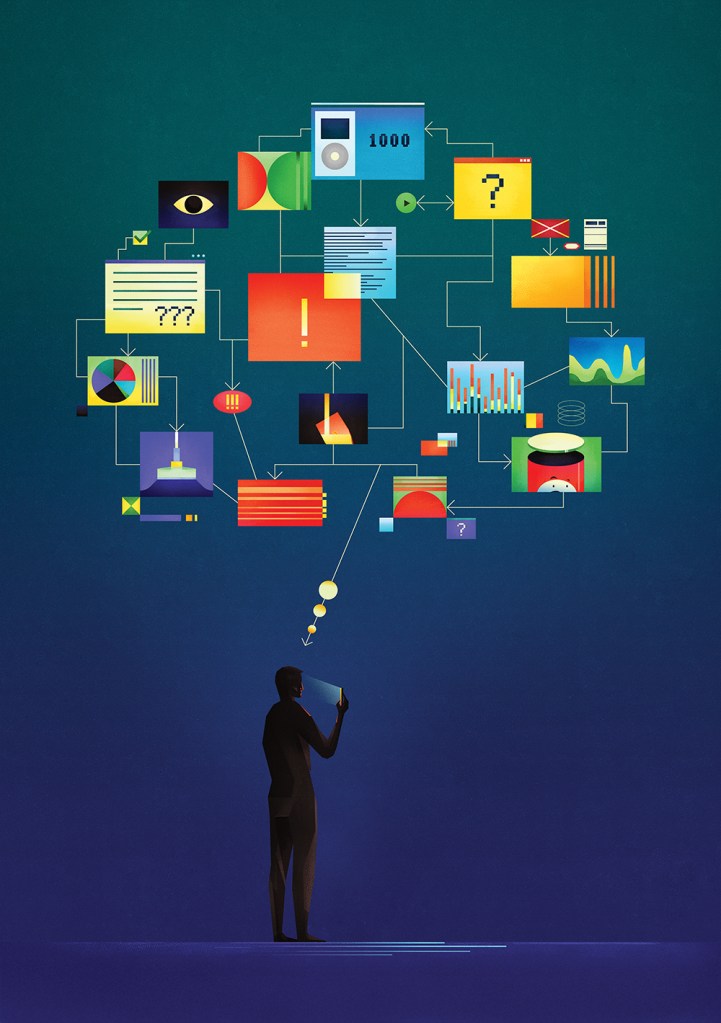
The pratfall effect comes from a 1966 study by psychologist Elliot Aronson. He found that people like someone more when they make a small, humanizing blunder — like in his study when someone aces a quiz, but then spills some coffee on themselves. But very importantly, the effect only works if the person is already seen as capable. If a person is viewed as less competent (like, say, doing poorly on a quiz and then spilling coffee), then mistakes make them seem even more unlikable.
Image Credit: Dan Matutina
Guinness isn’t literally admitting a “mistake” here — the long pour isn’t an actual blunder. But the brand is banking on something similar: By acknowledging a potential consumer objection, and then reframing it as a sign of craftsmanship, it’s displaying the confidence of competence. Only a brand with a deep belief in its product can spotlight a perceived drawback and turn it into a strength.
Many brands have succeeded with this strategy. Think about the classic Volkswagen ads with lines such as, “Ugly is only skin-deep,” “Lemon,” or “America’s slowest fastback.”
Or Avis: “When you’re only No. 2, you try harder.” Or Listerine: “The taste people hate. Twice a day.” Or Southwest Airlines: “We’re Not Fancy.”
Again and again, the greatest brands boost their appeal by admitting a weakness.
But before you rush to apply this idea, remember the nuance of the pratfall effect: Mistakes or flaws are only charming if they’re coming from competent people. So before you share your brand’s weakness, you must establish yourself as credible and high-quality. Once you have your customers’ confidence, a small blunder — or fessing up to a “flaw” — can make you a lot more likable.
How KRAFT seems so delicious
(By using expectation assimilation)
Mmm, mac and cheese. It’s the ultimate quick and easy comfort food — and we’re under no illusion that it’s healthy. But its nutritional credentials may be better than you think. That’s because, when Kraft improved its recipe, it was surprisingly crafty about how it rolled that information out. Let’s take a look at why.
Kraft Mac & Cheese began almost 100 years ago with a salesman’s clever idea: He attached a pack of Kraft cheese to boxes of pasta, then sold them as a pair. Kraft itself developed the idea further, and in 1937, just before the outbreak of World War II, it sold its first boxed macaroni and cheese. The food was an immediate hit. In the first year of launch alone, nine million boxes were sold, and its popularity hasn’t dipped since. Kraft now reportedly sells a million boxes per day.
But about a decade ago, as consumers became increasingly focused on natural foods, Kraft decided it was time to improve the health credentials of its recipe, and cut out artificial ingredients like preservatives, flavorings, and colorings. Many brands would likely make these sorts of changes with huge fanfare. Kraft did not.
Related: The Most Dangerous Digital Marketing Mistakes New Entrepreneurs Make
Instead, in 2016, it made the change with no announcement at all; its ingredient list simply changed. Gone, for example, were the artificial colors used previously — now replaced by spices such as paprika, turmeric, and annatto. And nobody seemed to notice or care. Sales remained strong.
So, why didn’t Kraft trumpet its recipe improvements?
Kraft may have understood something behavioral scientists have shown again and again: People don’t just taste food—they taste their expectations.
When we see a “healthier” version of something, we expect it to taste worse. That expectation can then change our sensory experience, so that it literally does taste worse. Psychologists often call this either expectation effects (which is kind of like the placebo effect: you experience what you believe to be true) or assimilation effects (which is to say, our brains bend new information toward what we already believe).
For simplicity, we’ll call this expectation assimilation — the idea that expectations color our perception.
This can be a problem for healthier brands. Even though people say they want healthier food, they expect that food to taste bad. Then this negative expectation can become self-fulfilling.
Perhaps that’s why many people don’t buy healthy items in the first place. When a brand markets itself as healthy, it risks turning off consumers who are more interested in taste and indulgence.
Evidence of this can be found in a 2017 Stanford University study: Researchers set up at a large university cafeteria and, over the course of seven weeks, used varying descriptions on a healthy vegetable dish. These are the four different types of descriptions they used:
- Basic description (e.g., “plant-based beans and shallots”)
- Healthy restrictive (e.g., “light ‘n’ low-carb plant-based beans and shallots”)
- Healthy positive (e.g., “healthy, energy-boostingplant-based beans and shallots”)
- Indulgent (e.g., “sweet sizzlin’ plant-based beans and crispy shallots”)
The results: Compared to the basic option, “healthy positive” labels reduced sales by 7%, and “healthy restrictive” labels reduced sales by 11%. The only way to boost sales was to describe dishes in an indulgent way — which increased sales by 25% versus the basic option.
This finding has widespread applications, which goes beyond just “healthy” food. It applies to any products that are aiming to be more responsible. For example, when eco-friendly light bulbs were first hitting the market a few decades ago, Philips released a CFL light bulb and marketed it as being good for the environment. It sold poorly. Then they rebranded it as “Marathon,” and emphasized how long it lasted (and therefore how infrequently it needed to be changed), and it sold much better.
Related: Stop Worrying About AI Taking Your Marketing Job — and Start Doing This Instead
It’s the same takeaway as the Stanford study: People respond more to desirable outcomes—whether it’s taste, convenience, or something else — and less so to things that feel dutiful, like eating healthy or being eco-friendly.
This could have easily been on Kraft’s mind as they rolled out their improved ingredient list. They waited until everyone ate and enjoyed the new recipe—and only then shared that it was healthier. That way, they avoided misconceptions while still doing the right thing.
How DYSON seems so innovative
(By using the Illusion of Effort)
When Dyson launched its DC01 vacuum cleaner in 1994, the company hammered home this message: This invention took a lot of work!
An early advertisement stressed it this way: “After testing over 5,000 prototypes, [James Dyson] created the first vacuum cleaner that doesn’t lose suction.”
And in interviews for decades, James Dyson has repeatedly stressed how much work goes into his innovations. “We develop technology iteratively, making the smallest changes, building prototype after prototype until we have got it as close to perfect as we can muster,” he once told the BBC, for example. “Testing and prototyping is at the heart of the most successful technologies.”
Why do they keep focusing on this? First, because it’s true: Dyson created an entirely new approach to vacuum cleaners, and the iteration process took 15 years.
But there’s likely another reason: It’s because Dyson understands what psychologists call the illusion of effort. People tend to perceive a product or service as more valuable, higher quality, or more trustworthy when they believe significant time, work, or dedication was put into its creation. Or, in other words: “If this took a long time to make, it’s probably good.”
Related: How to Tell If Your Marketing Is Driving Real Business Results
Here’s a study that captures this, done in 2004 at the University of Illinois Urbana-Champaign. Study participants were split into two groups, and both asked to read a certain poem. One group was told: The poet spent four hours writing this poem. The second group was told it took 18 hours. Afterward, the groups were asked to rate the poem — and the “18 hours” group rated the poem 10% better than the other group did. They also believed the poem would sell to a poetry magazine for 90% more money.
It’s a stark outcome: The exact same piece of work was considered better and more valuable, solely because people believed more effort went into it. The lesson for any brand, then, is to be transparent about the lengths you’ve gone to create your product. It’s not enough to expend lots of effort; you must let your customer know.
How APPLE beat the competition
(By using the concreteness effect)
Music was revolutionized in the early 2000s. That’s when the first MP3 players hit the market, enabling people to carry digital files with them anywhere.
So, how was this revolution marketed?
Here’s how Philips promoted its Rush digital audio player, which launched in 2000. Its print ad headlines said: “MP3 in full motion.” Then it offered a bulleted list of features, such as “Built-in memory capacity: 128 MB” and “Plays MP3 and WMA digital audio.”
Then Apple released the iPod in 2001. One of its early ads simply said: “1,000 songs. In your pocket.” Its TV ads were mostly about vibe — those bright colors and dancing black silhouettes. And as we all now know, the iPod dominated the marketplace and defined MP3 players for a generation.
So, why was Apple’s marketing approach so effective? Psychologists call it the concreteness effect.
The concreteness effect says this: Concrete information (like things you can picture) is easier to understand, encode, and recall than abstract information. While Philips focused on abstract ideas, like 128 MB of storage (which means nothing to the average person!), Apple leaned into “1,000 songs” (which absolutely does). Apple’s ad gave us something we could picture in our minds, which is scientifically proven to help us remember the concept.
One of the original studies into concreteness was carried out by Ian Begg at the University of Western Ontario in 1972.
He recruited 25 students and read them a list of 20 two-word phrases, such as: square door, impossible amount, rusty engine, better excuse, flaming forest, apparent fact, muscular gentleman, common fate, white horse, and subtle fault.
Related: Why Marketing Savvy is the Important Attribute of Successful Entrepreneurs
Then he asked the group to remember as many terms as they could. Participants recalled an average of 23% of them. But Begg made a striking observation: People remembered just 9% of the abstract terms (like “impossible amount”) and 36% of the concrete terms (like “white horse”). That’s a fourfold difference! Why? Begg believed it was because those concrete terms could be visualized — and when you can picture something in your head, such as a white horse, you find it easier to hang on to that thought.
The best brands are visual — in their marketing, product descriptions, and even in their taglines. Consider Red Bull. They could have used “Red Bull gives you energy,” but that’s impossible to visualize. So they went with “Red Bull gives you wings,” which is much more memorable. Skittles did it with “Taste the rainbow,” M&M’s with “Melt in your mouth, not in your hand,” and Maxwell House did it with “Good to the last drop.”
So as you draft your next marketing copy, trying to cut through the clutter, it’s worth asking yourself: Are you giving people something they can easily remember?
How PRINGLES became so memorable
(By using the Keats heuristic)
Everyone knows the Pringles tagline: Once you pop, you can’t stop.
But it’s more than just a fun rhyme. It also takes advantage of a funny shortcut known as the Keats heuristic. The Keats heuristic is the scientific finding that rhymes make things sound more true. Therefore, brands like Pringles can make use of rhyme to sway consumers toward the credibility of their claims. We don’t question how addictively delicious Pringles chips are, because “once you pop, you can’t stop” — it just sounds true.
To be clear, this idea isn’t universally accepted — but it has been identified by some very noteworthy experiments.
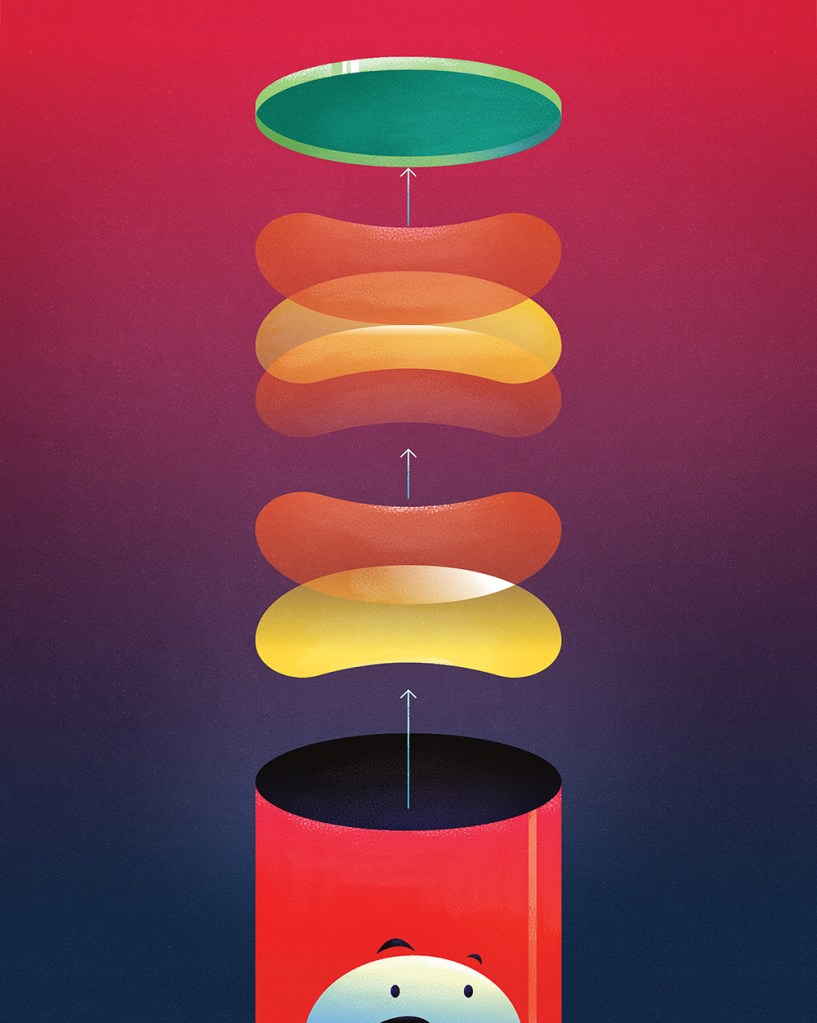
The most famous one is from 1999, by psychologists Matthew McGlone and Jessica Tofighbakhsh from Lafayette College, Pennsylvania. They gave participants a list of lesser-known proverbs. Some of those proverbs rhymed; some did not. (For example: Some participants heard “Woes unite foes” and others heard “Woes unite enemies”.) Afterward, participants were asked to rate the truthfulness of the proverbs they heard. They trusted the rhyming proverbs 17% more.
Image Credit: Dan Matutina
Why would this happen? Here’s the hypothesis: Rhymes improve reading flow, making a sentence easier for our brains to process. And we equate ease of processing with truth.
Related: I Run A Global Advertising Agency. Here’s How We Create Great Ideas — By Rewarding Lots of Bad Ideas
(McGlone and Tofighbakhsh were the ones to coin this the Keats heuristic. It’s a reference to a line from the poet John Keats: “Beauty is truth, truth beauty.” The idea is that a beautiful rhyme can create the feeling of truth.)
Another research team, based at the University of Oslo and the Norwegian University of Science and Technology, attempted a similar experiment in 2013 — but specifically looked at brand marketing. They generated slogans for brands that either rhymed or didn’t, then asked participants to read and respond to the slogans. The rhyming slogans were easier to remember (by 25%), and were also more likable (24% higher), trustworthy (22% higher), and persuasive (21% higher).
So it’s no wonder that brands like rhyming slogans! Bounty calls itself “the quicker picker-upper.” Folgers says, “The best part of waking up is Folgers in your cup.” And Pringles has spent decades creating rhymes — at least as far back as a ridiculous 1980s ad starring Brad Pitt, which called Pringles “the fever reliever.” (The “fever” here was a fever for snacks.)
What’s the lesson in all this? It’s simple: There is a lot more to marketing than just pitching why your brand’s great. It’s about understanding the people you’re marketing to. The more you understand these common human biases, the more you can tailor your message to be as memorable, trustworthy, and effective as possible. Or, to be inspired by the Keats heuristic: If you learn the brain, you’ll win the game.
Adapted Excerpt from Hacking the Human Mind: The Behavioral Science Secrets Behind 17 of the World’s Best Brands by Richard Shotton and MichaelAaron Flicker, published by Harriman House, an imprint of Pan Macmillan, on September 30, 2025. Copyright © 2025 by Richard Shotton and MichaelAaron Flicker.
看到一个绝妙的广告宣传活动,然后说:“我希望自己也能做到那样。”这是一回事;而说:“我想做那样的事情,而且我有信心去尝试,因为我知道它成功的原因。”则是另一回事。
作为创业者,我们常常过于依赖直觉、本能和“营销魔法”之类的想法,而忽略了证据。正是这一点促成了我们两人的合作——迈克尔·亚伦是一位基于行为科学创办了九家公司的企业家,而理查德则撰写了三本相关书籍。我们都是营销专家,一直在寻找提高工作效率的方法。我们意识到,世界各地的研究人员都在进行随机对照试验,测试各种干预措施,并发表论文,揭示人类决策的真实过程。然而,他们的研究成果在美国却鲜少被应用于商业领域。
通过分析一些世界顶级品牌的营销策略,并研究其背后的行为科学原理,您可以找到一些值得借鉴的策略。这样一来,您就可以摆脱盲目猜测,用数据驱动自身的营销工作。
相关阅读:大多数企业都把营销策略搞得太复杂了。原因何在?以及应该怎么做?
本文将聚焦五大领先品牌。我们将探究它们最初的成功之道,并深入分析其背后的运作机制,将其与行为科学原理联系起来。正如所有优秀的创业者所知,单纯模仿是行不通的。但我们可以将其视为一条捷径——通过学习他人已经发现并验证过的成功经验,从而避免耗费数年时间进行昂贵的试错。
吉尼斯如何赢得人们的信任
(利用出丑效应)
1759年,亚瑟·吉尼斯租下了位于爱尔兰都柏林的圣詹姆斯门啤酒厂,租期长达9000年。这足以证明他对未来的成功充满信心。而他的自信也得到了印证。十年后,他开始向英国出口啤酒,如今,吉尼斯啤酒已遍布全球150个国家。
直到1929年,吉尼斯啤酒从未做过广告;吉尼斯家族一直让产品本身说话。最终,他们被说服开始投放广告,但前提是广告的质量必须与啤酒本身的品质一样高。而他们的开局也相当出色:他们的首个广告系列就采用了如今广为人知的“吉尼斯有益健康”的口号,这句口号出自小说家(同时也是一位天生的广告文案撰稿人)多萝西·L·塞耶斯之手。经典的插画则出自约翰·吉尔罗伊之手。自此,吉尼斯的广告便成为了经典。1997年,吉尼斯公开招标广告业务时,发给各广告公司的简报中包含了一项有趣的规定:广告中绝对不能提及吉尼斯啤酒缓慢的倒酒过程。吉尼斯的目标是吸引那些原本只喝淡啤酒的消费者,他们担心等待的过程可能会让他们望而却步。
受邀参与竞标的广告公司之一是艾伯特·米德·维克斯(AMV)。幸运的是,AMV的创意总监沃尔特·坎贝尔并非墨守成规之人。他灵光一闪,想到了重拾吉尼斯首支广告中“美好”这一概念。他重新审视了广告简报,并巧妙地忽略了其中的种种限制。
为什么?因为他注意到朋友们喝酒时的一个习惯。他们其实很喜欢吉尼斯啤酒慢慢斟满的过程。这让他们更加期待即将到来的夜晚。他将这种期待感与吉尼斯啤酒本身的美味结合起来,想出了这句广告语:“好事多磨。”
AMV赢得了这笔生意。他们的第一支广告强调了倒出一杯完美啤酒所需的精确时间——119.5秒——并以此来展现品质和信誉。随后,AMV在1999年推出了如今广为人知的“冲浪者”广告。广告中,一位冲浪者专注而耐心地凝视着大海,试图找到完美的浪头,然后纵身跃入水中。画外音说道:“为等待干杯!” 广告效果显著:据坎贝尔称,该广告活动使吉尼斯啤酒的销量增长了12%。2020年,AMV再次运用这一创意,推出了一支电视广告,由传奇四分卫乔·蒙塔纳出演,并重现了他在超级碗上的那次精彩达阵,令球迷们屏息凝神,翘首以盼。
想想这背后的心理学原理。两分钟才能倒完一杯啤酒,听起来就让人提不起兴趣——尤其如果你习惯了快速倒出的拉格啤酒。在广告中强调这一点似乎有悖常理。但吉尼斯选择正视这一点,却巧妙地利用了一种强大的心理偏见。这被称为“出丑效应”。
相关阅读:你目前的数字营销策略在2026年将不再适用。以下是新的策略指南。
“出丑效应”源于心理学家埃利奥特·阿伦森1966年的一项研究。他发现,人们会更喜欢那些犯了些小小的、人性化的错误的人——比如,在他的研究中,有人考得很好,却不小心把咖啡洒在了自己身上。但非常重要的是,这种效应只有在这个人本身就被认为能力很强的情况下才会起作用。如果一个人被认为能力不足(比如,考砸了,然后又洒了咖啡),那么这些错误只会让他显得更加令人讨厌。
图片来源:丹·马图蒂纳
健力士啤酒并非真的承认犯了“错误”——倒酒过长并非真正的失误。但该品牌所倚仗的却是类似的策略:通过承认潜在的消费者异议,并将其重新包装成精湛工艺的体现,它展现了自身的实力和自信。只有对自身产品充满信心的品牌,才能将看似的缺陷转化为优势。
许多品牌都凭借这种策略取得了成功。想想大众汽车的经典广告语,比如“丑陋只是肤浅的”、“柠檬”或“美国最慢的掀背车”。
或者 Avis:“当你排名第二时,你会更加努力。”或者李施德林:“人们讨厌的味道。一天两次。”或者西南航空:“我们不讲究。”
最伟大的品牌总是通过承认自身的弱点来提升自身的吸引力。
但在你急于运用这个方法之前,请记住“出丑效应”的微妙之处:只有当错误或缺陷出自能力出众的人时,它们才会显得可爱。因此,在你坦白品牌的弱点之前,你必须先树立起自身的信誉和高品质形象。一旦你赢得了客户的信任,一个小小的失误——或者坦诚承认一个“缺陷”——反而会让你更讨人喜欢。
卡夫看起来真好吃
(通过运用期望同化)
嗯,通心粉奶酪。它是最快捷方便的安慰食物——我们当然知道它并不健康。但它的营养价值可能比你想象的要好。这是因为,卡夫公司在改进配方时,巧妙地掩盖了这一信息。让我们来看看其中的原因。
卡夫通心粉奶酪的诞生源于近百年前一位推销员的巧妙创意:他将一包卡夫奶酪与一盒盒意大利面捆绑销售。卡夫公司在此基础上进一步发展,并在1937年,二战爆发前夕,推出了首批盒装通心粉奶酪。这款产品一经推出便大受欢迎。仅在上市第一年,销量就达到了900万盒,此后一直保持着强劲的势头。据报道,卡夫公司如今每天的销量高达100万盒。
但大约十年前,随着消费者越来越关注天然食品,卡夫决定提升其配方的健康价值,并剔除防腐剂、香精和色素等人工成分。许多品牌可能会大张旗鼓地进行这类变革,但卡夫却没有。
相关阅读:新创业者最常犯的数字营销错误
然而,2016年,该公司悄然进行了配方调整,并未发布任何公告;配料表只是简单地更改了。例如,之前使用的人工色素被去掉,取而代之的是辣椒粉、姜黄和胭脂树橙等香料。似乎没有人注意到,也没有人在意。销量依然强劲。
那么,卡夫食品为什么没有大肆宣传其配方改进呢?
卡夫可能已经领悟到行为科学家反复证明的一点:人们品尝的不仅仅是食物,更是他们的期望。
当我们看到某种东西的“更健康”版本时,我们往往会预期它的味道更差。这种预期会改变我们的感官体验,使其味道真的变差。心理学家通常将这种现象称为预期效应(有点像安慰剂效应:你会体验到你认为真实的事情)或同化效应(也就是说,我们的大脑会将新信息调整为我们已有的信念)。
为简单起见,我们将此称为期望同化——期望会影响我们的感知。
这对主打健康食品的品牌来说可能是一个问题。尽管人们口口声声说想要更健康的食品,但他们往往预期这类食品味道不好。这种负面预期很容易变成现实。
或许这就是为什么很多人一开始就不买健康食品的原因。当一个品牌以健康为卖点时,它可能会疏远那些更注重口味和享受的消费者。
斯坦福大学2017年的一项研究证实了这一点:研究人员在一所大型大学食堂进行实验,并在七周的时间里,用不同的描述方式来描述一道健康的蔬菜菜肴。以下是他们使用的四种不同的描述方式:
- 基本描述(例如,“植物豆类和青葱”)
- 健康限制型(例如,“清淡低碳水化合物的植物性豆类和青葱”)
- 健康积极的(例如,“健康、提神醒脑的植物性豆类和青葱”)
- 令人垂涎的(例如,“香甜滋滋的植物豆和酥脆的红葱头”)
结果显示:与基本选项相比,“健康积极”标签使销量下降了7%,而“健康限制”标签使销量下降了11%。唯一能提升销量的方法是使用更诱人的方式来描述菜肴——这种方法使销量比基本选项提高了25%。
这一发现具有广泛的应用前景,远不止于“健康”食品。它适用于任何旨在提升环保责任感的产品。例如,几十年前环保灯泡刚上市时,飞利浦推出了一款节能灯泡,并将其宣传为环保产品。但销量惨淡。之后,他们将其重新命名为“马拉松”(Marathon),并强调其超长的使用寿命(因此更换频率极低),销量便大幅提升。
这与斯坦福大学的研究得出的结论相同:人们对令人向往的结果(无论是口味、便利性还是其他方面)的反应更强烈,而对那些感觉像是出于义务的事情(例如健康饮食或环保)的反应则较弱。
卡夫食品在推出改良配方时,很可能已经考虑到了这一点。他们等到大家都品尝并喜欢上新配方后,才宣布新配方更健康。这样一来,既避免了误解,又做了正确的事情。
戴森的创新能力真是令人惊叹。
(利用努力的错觉)
1994 年戴森推出 DC01 吸尘器时,该公司反复强调:这项发明凝聚了大量的心血!
早期的一则广告是这样强调的:“经过 5000 多次原型测试,[詹姆斯·戴森] 创造了第一台不会失去吸力的吸尘器。”
几十年来,詹姆斯·戴森在接受采访时反复强调,他的创新背后凝聚了多少心血。例如,他曾对BBC表示:“我们采用迭代开发的方式,做出最细微的改动,不断制作原型,直到产品接近完美。测试和原型制作是所有成功技术的核心。”
他们为什么一直关注这一点?首先,因为这是事实:戴森创造了一种全新的吸尘器制造方法,而这一迭代过程耗时15年。
但可能还有另一个原因:戴森深谙心理学家所说的“努力错觉”。人们往往会认为,当产品或服务的创造投入了大量的时间、精力和心血时,它就更有价值、质量更高或更值得信赖。换句话说:“如果这东西花了很长时间才做出来,那它可能就很好。” ——-比如我可以说我的APP耗时5年开发出来的—-其实我已经开发了2年了,APP开发速度必须快,但是宣传则应该说时间长
相关阅读:如何判断你的营销是否真正带来了业务成果
伊利诺伊大学厄巴纳-香槟分校2004年的一项研究就体现了这一点。研究参与者被分成两组,并被要求阅读一首诗。一组被告知:诗人花了四个小时创作了这首诗。另一组则被告知,诗人花了18个小时。之后,两组被要求对这首诗进行评分——结果显示,“18小时”组的评分比另一组高出10%。他们还认为这首诗如果卖给诗歌杂志,价格会比另一组高出90%。
这是一个令人震惊的结果:同样的作品,仅仅因为人们认为它投入了更多心血,就被认为更好、更有价值。因此,任何品牌都应该吸取这样的教训:必须坦诚地告知客户你为打造产品所付出的努力。仅仅投入大量精力是不够的,你必须让客户知道。
苹果是如何击败竞争对手的
(通过具体化效应)
2000年代初期,音乐行业发生了革命性的变化。当时,第一批MP3播放器上市,使人们能够随时随地携带数字文件。
那么,这场革命是如何进行宣传的呢?
以下是飞利浦在 2000 年推出的 Rush 数字音频播放器的宣传方式。其平面广告标题为:“MP3 全速播放”。然后,它列出了一系列功能,例如“内置存储容量:128 MB”和“播放 MP3 和 WMA 数字音频”。
2001年,苹果公司发布了iPod。它早期的一则广告语很简单:“1000首歌,尽在掌握。” 电视广告主要以氛围为主——鲜艳的色彩和舞动的黑色剪影。而我们现在都知道,iPod主导了市场,并定义了一代人的MP3播放器。
那么,苹果的营销策略为何如此有效呢?心理学家称之为具体性效应。
具体化效应指出:具体信息(例如你能想象到的事物)比抽象信息更容易理解、记忆和回忆——-这么说了我应该给APP取一个物体的名字比如:大公鸡闹钟APP—–我们的APP侧重放松,能代表放松的物体有?青松闹钟—–或者饭松闹钟APP—-这用了一个谐音:首先青松是一个具体的物体,容易记住,而且他的谐音就是轻松—–好吧我宣布换APP名字为饭松闹钟APP.飞利浦的广告侧重于抽象概念,例如128MB的存储空间(这对普通人来说毫无意义!),而苹果则着重强调“1000首歌曲”(这绝对意义重大)。苹果的广告让我们在脑海中呈现出具体的画面,而科学证明,这有助于我们记住概念。
最早对具体性进行的研究之一是由伊恩·贝格 (Ian Begg) 于 1972 年在西安大略大学进行的。
他招募了 25 名学生,并向他们朗读了 20 个双词短语,例如:方形门、不可能的数量、生锈的引擎、更好的借口、燃烧的森林、显而易见的事实、肌肉发达的绅士、共同的命运、白马和微妙的错误。
相关阅读:为什么营销技巧是成功企业家的重要特质
然后他要求参与者尽可能多地记住一些词语。参与者平均记住了23%。但贝格发现了一个惊人的现象:人们只记住了9%的抽象词语(例如“不可能的数量”),而具体词语(例如“白马”)的记忆率却高达36%。这相差四倍!为什么呢?贝格认为这是因为具体词语更容易被形象化——当你能在脑海中想象出某个事物,比如一匹白马时,你就更容易记住它。
优秀的品牌都注重视觉效果——无论是在营销、产品描述,甚至是标语中。以红牛为例,他们原本可以用“红牛给你能量”,但这很难让人联想到画面。所以他们选择了“红牛给你翅膀”,这句标语更容易让人记住。彩虹糖的“尝遍彩虹”、M&M’s 的“只溶于口,不溶于手”、麦斯威尔咖啡的“滴滴香醇”都运用了视觉元素。
因此,当你撰写下一篇营销文案,试图从众多信息中脱颖而出时,值得问问自己:你是否在向人们提供他们容易记住的东西?
品客薯片是如何变得如此令人难忘的
(运用济慈启发式)
人人都知道品客薯片的广告语:一旦打开,就停不下来。
但这不仅仅是一句押韵的俏皮话。它还巧妙地运用了一种被称为“济慈启发式”的技巧。济慈启发式是一项科学发现,即押韵能让事物听起来更真实。因此,像品客薯片这样的品牌可以利用押韵来影响消费者,让他们相信其宣传的可信度。我们不会质疑品客薯片的美味程度,因为“一旦打开,就停不下来”——这句歌词听起来就是真的。
需要说明的是,这种观点尚未被普遍接受——但它已被一些非常值得关注的实验所证实。
其中最著名的例子来自1999年,由宾夕法尼亚州拉斐特学院的心理学家马修·麦格隆和杰西卡·托菲格巴赫什完成。他们给参与者提供了一份鲜为人知的谚语清单。有些谚语押韵,有些则不押韵。(例如:一些参与者听到的是“祸患联合敌人”,而另一些参与者听到的是“祸患联合敌人”。)之后,参与者被要求对他们听到的谚语的真实性进行评分。结果显示,他们对押韵谚语的信任度高出17%。
图片来源:丹·马图蒂纳
为什么会这样呢?假设是:押韵能提升阅读流畅度,让句子更容易被大脑处理。而我们往往会将易于处理的信息与真理联系起来。
相关阅读:我经营一家全球广告公司。我们是如何创造伟大创意的——通过奖励大量糟糕的想法。
(麦格隆和托菲格巴赫什提出了“济慈启发式”的概念。它引用了诗人约翰·济慈的一句诗:“美即真,真即美。”其含义是,优美的韵律可以营造出真理的感觉。)
另一支由奥斯陆大学和挪威科技大学组成的研究团队在2013年进行了一项类似的实验,但他们的研究对象是品牌营销。他们为一些品牌设计了押韵和非押韵的标语,然后让参与者阅读并对这些标语做出反应。结果显示,押韵的标语更容易被记住(记忆率高出25%),也更受欢迎(高出24%)、更值得信赖(高出22%)、更有说服力(高出21%)。
所以品牌喜欢押韵的广告语也就不足为奇了!Bounty 自称“快速提神醒脑”。Folgers 说:“醒来最美好的事就是一杯 Folgers”。而 Pringles 几十年来一直在创作押韵广告语——至少可以追溯到 20 世纪 80 年代布拉德·皮特主演的一则荒诞广告,广告中 Pringles 被称为“退烧药”。(这里的“退烧药”指的是对零食的渴望。)
这一切告诉我们什么?很简单:营销远不止于兜售品牌优势。它更关乎理解你的目标受众。你越了解这些常见的人性偏见,就越能精准地定制信息,使其更易于记忆、更值得信赖、更有效。或者,借用济慈的名言:了解大脑,就能赢得胜利。
改编自理查德·肖顿和迈克尔·亚伦·弗利克所著 《破解人类思维:17个世界顶级品牌背后的行为科学秘密》,由哈里曼出版社(潘·麦克米伦旗下)于2025年9月30日出版。版权所有 © 2025 理查德·肖顿和迈克尔·亚伦·弗利克。